
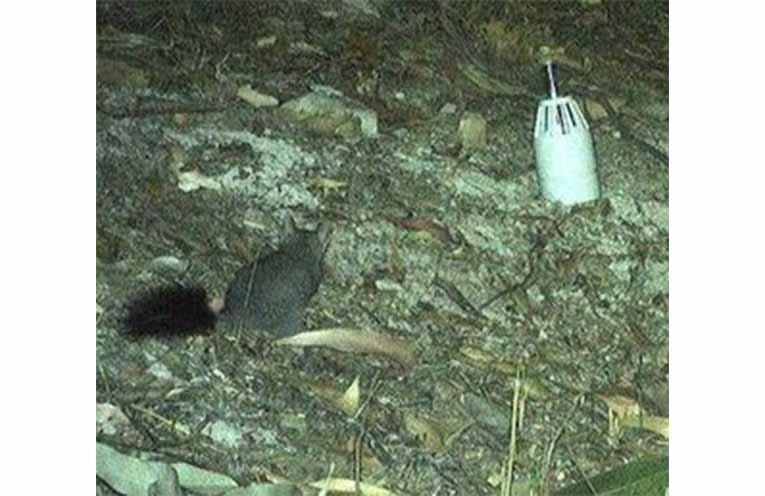
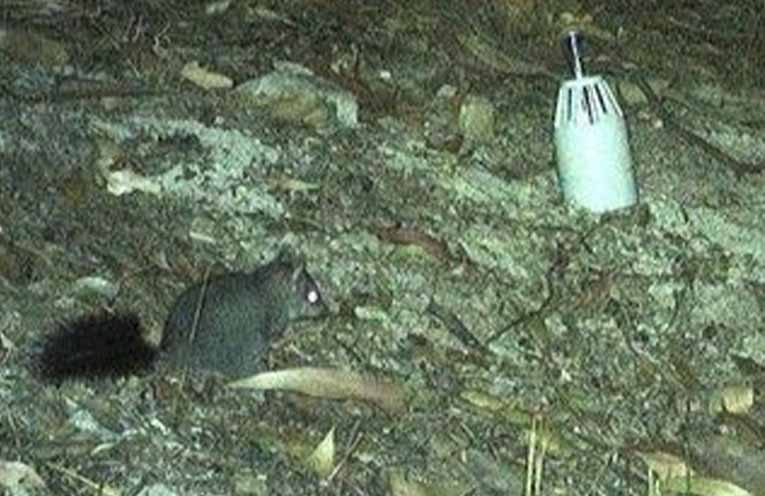
A BRUSH-tailed phascogale has been captured on motion-sensing cameras in Myall Lakes National Park for the first time in 13 years, providing a rare glimpse of one of Australia’s most elusive native marsupials.
The nocturnal, tree-dwelling animal was recorded in the park’s western section during the NSW National Parks and Wildlife Service’s first targeted feral cat monitoring program.

While the cameras were deployed to track invasive predators, they instead captured the unexpected visitor.
A NSW National Parks and Wildlife Service spokesperson said the discovery was an exciting outcome.
“The photos were captured during targeted feral cat monitoring at the Myall Lakes National Park Scorecards site,” they said.
“While our motion-sensing cameras were deployed to monitor feral cats, we were excited to capture a brush-tailed phascogale on camera.
“The phascogale was detected in the western part of Myall Lakes National Park and is an isolated record.”
The spokesperson said small native mammals such as the brush-tailed phascogale were particularly vulnerable to feral cat predation, making large-scale monitoring programs vital for understanding and protecting wildlife.
“The absence of records doesn’t necessarily mean the species is rare or declining,’ the spokesperson said.
“Phascogales are elusive, tree-dwelling animals that are mostly active at night, making them difficult to detect.
“Large-scale monitoring programs like this are critical because the more cameras deployed, the greater the chance of detecting cryptic species like the phascogale and gathering the information needed to protect them.”
The monitoring program also records invasive species including foxes, pigs, goats and deer, with data feeding into the Ecological Health Performance Scorecards program to help assess the health of national parks and guide future conservation decisions.
Future surveys at Myall Lakes will include cameras mounted in trees, improving the chances of detecting arboreal species such as the brush-tailed phascogale.
Featured recently in Naturescapes, the brush-tailed phascogale is a small marsupial recognised by its distinctive bushy tail and remarkable breeding strategy.
Males put all their energy into a single breeding season before dying, while females can live for up to three years, raising multiple litters in tree hollows.
The rediscovery highlights the importance of long-term ecological monitoring as NPWS undertakes its largest-ever investment in tracking the health of national parks and protecting vulnerable native species.
By Jacie WHITFIELD