
HISTORICALLY the farmland along Tilligerry Creek was considered fertile.
Magnificent crops were expected if the land could be protected from the salt water that flooded the farms at certain times of the year when King Tides washed across Marsh Road.
Not all residents were dependent on the land.
The rich waters of Tilligerry Creek, which flows adjacent to Marsh Road, was and still is, alive with mullet, bream, flathead and crabs.
Fishing and crabbing did form a part of the income, generally on a barter basis.
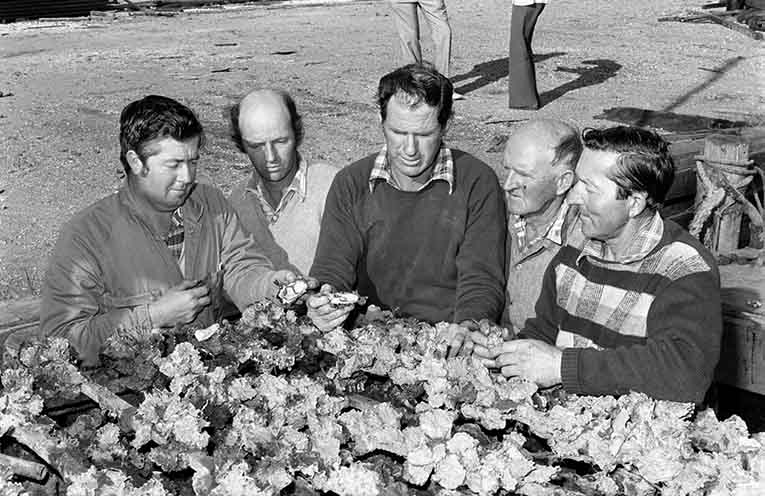
Oyster farming also contributed significantly to families along Marsh Road.
From the earliest times, when the wild shellfish grew on rocks and mangroves, Tilligerry Creek has been a major contributor of quality oysters.
Records show, as far back as the first Port Stephens applications for oyster leases published in the Sydney Morning Herald in May 1885, Mr T. Hyde was granted 500 yards of lease in Tilligerry Creek.
By 1919 around 20 oystermen were granted leases to work the rich waters of the creek.
The oyster industry appealed to those returning from WWI.
Some of the oyster families chose to live on the Marsh Road to work on their farms and work their leases.
By John ‘Stinker’ CLARKE