PORT Stephens residents are being advised to check their immunity to measles.
An estimated 1.7 million Australians are not protected against measles, putting individuals and communities at risk of more outbreaks, according to new analysis from the peak immunisation research organisation.
National Centre for Immunisation Research and Surveillance (NCIRS) data shows more than 80,000 Australian children aged five and under are not fully up-to-date with their childhood vaccinations.
The NCIRS study found almost seven per cent of the population was susceptible to measles.
According to NSW Health, the first symptoms usually start 10 days after being exposed to the virus but can sometimes take as few as seven or as many as 18 days to appear.
Symptoms can include fever, tiredness, a cough, runny nose, sore red eyes and feeling unwell.
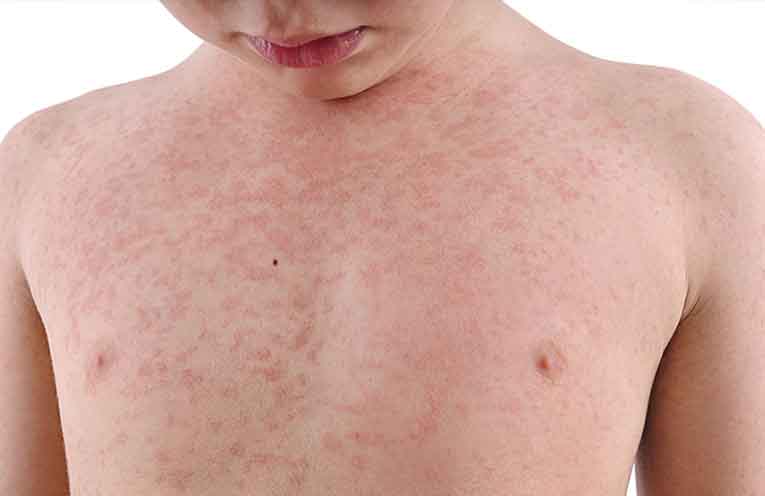
A few days later, a rash appears. The rash starts on the face, spreads down to the body and lasts for 4-7 days.
The rash is generally not itchy. Some people, particularly young children, may also have diarrhoea.
NSW Health cautions that measles is a severe disease, and says up to a third of people with measles have complications and many require hospitalisation.
Complications of measles can include ear infections, diarrhoea, and pneumonia.
About one in every 1000 people with measles develops encephalitis (swelling of the brain).
Risk to the highly contagious virus is highest for Australians born from the late 1970s onwards.
Pharmacists have joined doctors in urging Australians to check their measles vaccination status.
National President of the Pharmacy Guild of Australia, Professor Trent Twomey, said the data served as a timely reminder of the vital role vaccination plays in protecting individuals, families and communities.
“Measles is one of the most contagious diseases in the world, but it is also one of the most vaccine-preventable,” he said.
“We now know immunity gaps exist across several generations and many Australians simply don’t know whether they have received the necessary two doses.
“If you’re unsure whether you’ve had two doses of a measles-containing vaccine, now is the time to check.”
With measles outbreaks increasingly occurring around the world, the risk of imported cases leading to local outbreaks increases when immunity gaps exist within the community.
Australia has worked hard to maintain measles elimination status for more than a decade.
Medical professionals are encouraging Australians born during or after 1966 who are unsure of their vaccination history – particularly those planning overseas travel – to speak with their GP or pharmacist.