
FOUR-YEAR funding is being made available to local organisations to combat the impact of priority weeds, updating a previously annual grant program.
The new $40.7 million NSW Weeds Action Program (WAP) is a key component of the NSW Government’s Biosecurity Action Plan, with funding being provided to 97 Local Control Authorities (LCA).

Minister for Agriculture and Minister for Regional NSW, Tara Moriarty said, “The NSW Government Weeds Action Program’s four-year grant model provides certainty in budgeting, giving local councils and other control authorities the ability to put boots on the ground, retain staff and train new weed biosecurity officers across NSW.
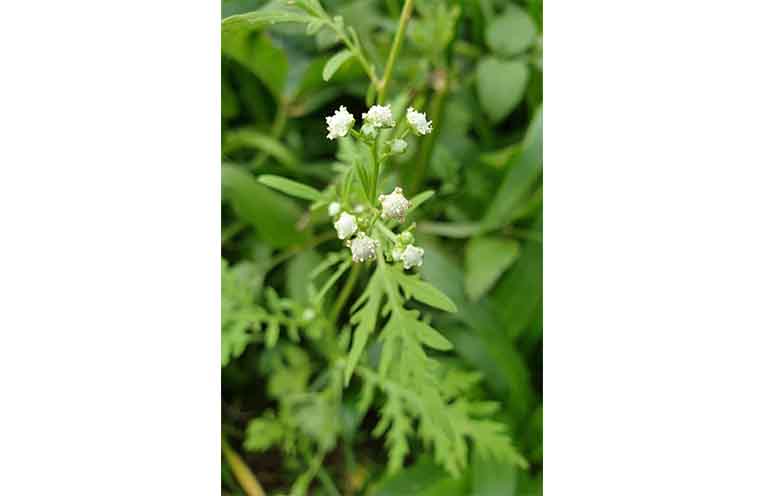
“This network of biosecurity officers sustains the surveillance, eradication and containment efforts on key high-risk weeds, including parthenium weed, alligator weed and frogbit to protect our valuable farming lands.
“Our Government has modernised the Weeds Action Program to ensure it can effectively contribute to delivering our Biosecurity Action Plan by delivering trained biosecurity officers across the state who can confidently undertake emergency responses.”
Aside from environmental benefits, Ms Moriarty said the updated program has significant financial upsides.
“Across NSW, the local control councils will invest an extra $2.19 for every dollar invested in our Government’s $40.7 million program,” she said.
“Every dollar the program spends is keeping our state free of Parthenium weed and that delivers $777 in benefits through increased agricultural productivity, reduced health impacts and environmental protection.
“For every dollar spent eradicating tropical soda apple there is a productivity return of $410 and every dollar spent eradicating Hudson pear returns $59 to the community.”
The new funding model was introduced after a review into biosecurity to improve its implementation across the state, cut red tape and provide greater certainty to LCAs.
The program supports targeted surveillance and rapid biosecurity responses, and is building a robust statewide network to prevent, eradicate and contain priority weeds by undertaking a range of actions, such as:
● Preventing Parthenium Weed entering NSW
● Preventing spread with the aim of eradicating Parkinsonia and Tropical Soda Apple weeds
● Working with landholders to contain alligator weed, frogbit, Hudson pear, Harrisia cactus and sticky nightshade
● Instigating surveillance and rapid response resources to detect new high-risk weeds early and act quickly to stop their spread
These high-risk weed species, which can cause significant environmental and agricultural damage and pose serious health risks to livestock, wildlife and people, require urgent action to stop them from becoming more widely established.
The new Weeds Action Program strengthens weed biosecurity by providing stable funding for risk-based planning, compliance and education, and ensures accountability from the LCAs through biannual reporting and evaluation.
The modernisation of the program also includes increasing collaboration between government agencies, councils, and farmers groups.
Led by the NSW Department of Primary Industries and Regional Development, the new four-year program will be delivered in partnership with Local Land Services.